11. Jan. 2018
Der erste Galopp
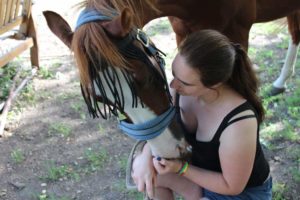
Im März 2017 brach Quentino sich das Hufbein. Lange war unlar, ob der Bruch so verheieln würde, dass man ihn wieder reiten kann. Zum Glück ging alles gut und nach 9 Monaten mit Gips, Spezialbeschlag und anderen Methoden durfte ich anfangen ihn im Schritt zu reiten. Nach einem Monat begann ich mit Trab. Und nun am 09.01.18 war es soweit und ich habe ihn das allererste Mal an der Longe galoppieren lassen.
Mag vielleicht für viele kein großer Schritt sein, aber für mich war es wie ein Meilenstein. Klar haben wir noch einen weiten Weg vor uns. Vorallem, da Quentino vor seiner Verletzung noch nicht komplett ausgebildet war. Wir also nicht gerade ein riesen Fundaent haben, auf das wir zurückgreifen können.
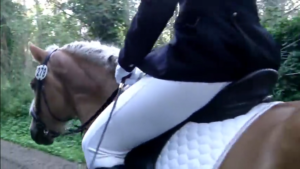
Aber wir machen weiter und bis jetzt läuft er komplett lahmfrei und auch der TA ist super zufrieden. Morgen werde ich ihn das erste Mal unterm Reiter galoppieren. Natürlich erstmal im Gelände und auf gerader Strecke. Aber trotzdem 🙂
Ansonsten arbeite ich im Trab gerade viel mit ihm am Vorwärts Abwärts. Da er an der Longer ausgebunden läuft, hat er da eine schöne Haltung, aber unter dem Reiter sperrt er sich da und chillt lieber mit vorgestrecktem Hals. Daher liegt da gerade unser Schwerpunkt. Ich bin mir aber sicher wir kriegen das hin!
Bis dahin 😀

Thanks for sharing this thoughtful overview of Der erste Galopp | Ausbildungsblog meiner Pferde. It gave me a few useful ideas to explore.
RNGdle
Das ist wirklich eine bewegende Geschichte – ne
RNGdle
This was a clear and practical read about RNGdle. I especially appreciated the concrete examples.
RNGdle
Das ist eine
RNGdle
🌈 Dein Beitrag über comment page 31 blogs urz uni-halle de ist gut verständlich und hat mich an Play 💬 This Role: You are Hamster in the gam erinnert.🎨 Danke 🧭 für die klare Erklärung. This Role: You are Hamster
This was a clear and practical read about video to prompt. I especially appreciated the concrete examples.
video to prompt
Das ist wirklich eine schöne Entwicklung – nach
video to prompt
Wie sch
video to prompt
Welch eine bewegliche Geschichte
Abyssal Lapidary
Schöne und mutige Geschichte – wie hat Quentino die lange Genesungszeit erlebt, und wie bist du selbst mit der vielen Arbeit um ihn herum umgegangen?
Abyssal Lapidary
Thanks for sharing this thoughtful overview of Der erste Galopp | Ausbildungsblog meiner Pferde. It gave me a few useful ideas to explore.
Abyssal Lapidary
This was a clear and practical read about Abyssal Lapidary. I especially appreciated the concrete examples.
Abyssal Lapidary
Solid write-up. The history game is at Eraly
Thanks for the detail. The playable version is at Farflung
Dein Beitrag über 🧭 comment page 31 blogs urz uni-halle de ist gut verständlich und 🎨 hat mich an 💬 An independent finder for the daily guessi erinnert. Ich würde gern mehr darüber erfahren. Die Verbindung finde ich 🌟 spannend. Clueffy game